
Basmati Rice vs Jasmine Rice: The Difference Every Home Cook in Ireland Should Know
You’re standing in the rice aisle or browsing online and you’re faced with the same question thousands of Irish home cooks ask every week: Basmati Rice vs Jasmine Rice? They both look similar at a glance, but put them on the plate and the difference is night and day. Get it wrong and your biryani becomes a sticky mess, or your Thai curry loses that authentic texture that makes it sing.
At Asian House Dublin’s specialist Asian grocery store on Phibsborough Road, we stock premium jasmine and basmati rice from trusted producers across Southeast Asia and the Indian subcontinent. And we’ve answered this question more times than we can count.
So here’s the definitive guide. By the end, you’ll know exactly which rice to reach for, why it matters, and how to cook it perfectly every single time.
What Is Jasmine Rice?
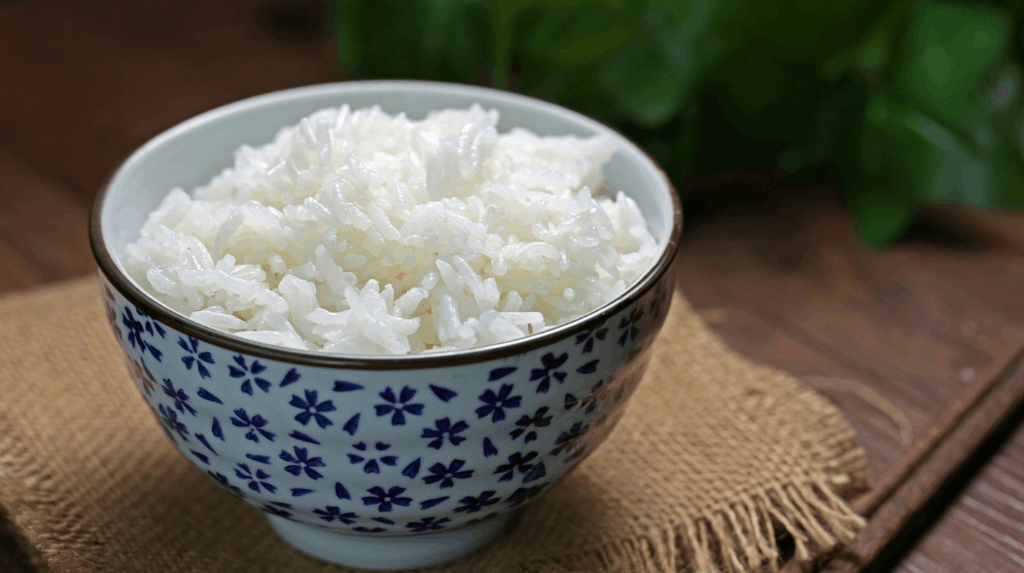
Jasmine rice also called Thai fragrant rice is a long-grain variety native to Thailand and widely grown throughout Southeast Asia, including Vietnam, Cambodia, and Laos. It gets its name from the jasmine flower, thanks to a naturally occurring aromatic compound called 2-acetyl-1-pyrroline, which gives it that distinctive floral, almost popcorn-like scent when it cooks.
Key characteristics of jasmine rice:
- Grain: Medium-long, slightly plump
- Texture when cooked: Soft, moist, and slightly sticky grains cling together gently
- Aroma: Floral and fragrant, especially noticeable when steaming
- Flavour: Mild and subtly sweet
- Best suited to: Thai dishes, stir-fries, fried rice, Vietnamese cuisine, Southeast Asian curries
Jasmine rice is the backbone of Thai cooking. When you order Pad Thai, green curry, or a fragrant rice bowl at a restaurant, the rice underneath is almost always jasmine. That soft, slightly clingy texture is intentional it’s what makes Thai food so satisfying and coherent on the plate.
What Is Basmati Rice?
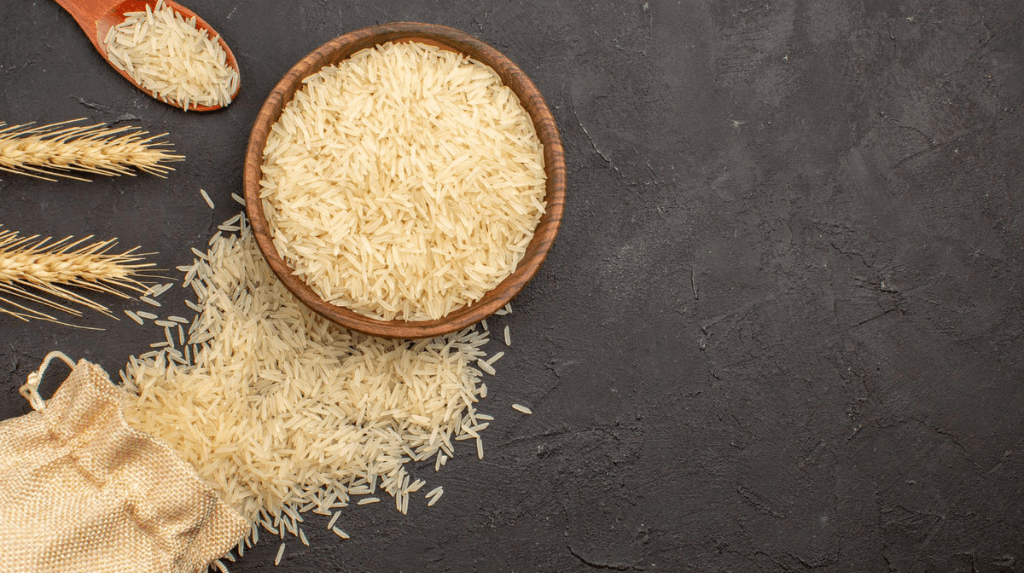
Basmati rice is one of the world’s most celebrated rice varieties, grown primarily in the foothills of the Himalayas particularly in the Punjab regions of India and Pakistan. The word ‘basmati’ comes from Sanskrit, roughly translating to ‘fragrant one.’ True aged basmati is a premium product, with longer ageing periods producing drier, more aromatic grains.
Key characteristics of basmati rice:
- Grain: Extra-long and slender grains elongate even further during cooking
- Texture when cooked: Light, fluffy, and distinctly separate grains don’t clump
- Aroma: Nutty, earthy, and distinctive
- Flavour: More pronounced and nutty compared to jasmine
- Best suited to: Biryani, pilaf, Indian curries, Persian rice dishes, rice salads
Basmati is the rice of choice across the Indian subcontinent, the Middle East, and Persian kitchens. Its ability to stay separate and fluffy makes it ideal for dishes where each grain needs to hold its own like a proper lamb biryani, where the rice should be as much a feature as the meat itself.
Basmati Rice vs Jasmine Rice Key Differences at a Glance
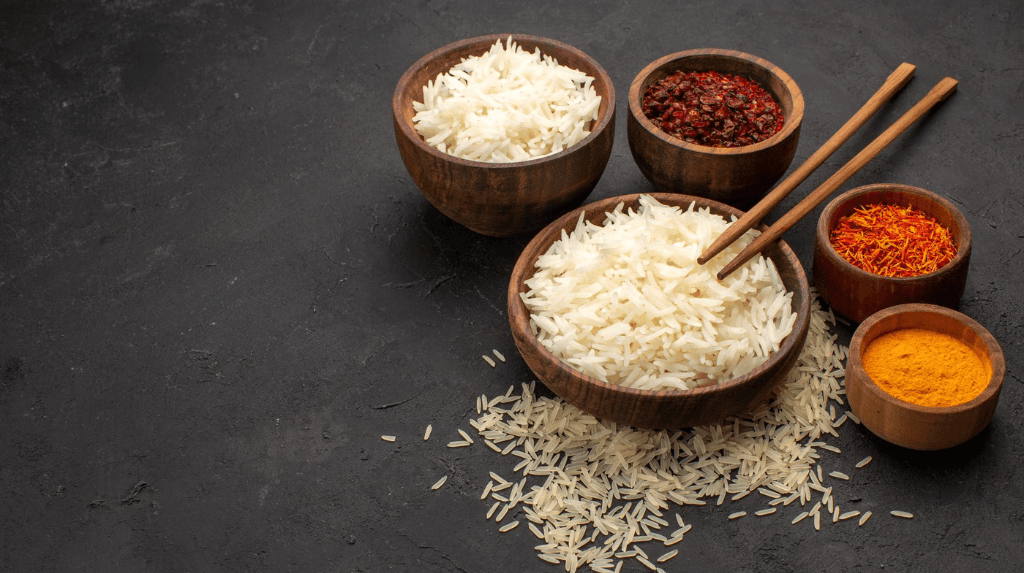
Here’s a side-by-side breakdown of every key difference between these two iconic rice varieties:
| Feature | Jasmine Rice | Basmati Rice |
| Origin | Thailand / Southeast Asia | India / Pakistan |
| Grain | Medium-long, slightly fat | Extra-long, slender |
| Texture | Soft, slightly sticky | Fluffy, separate grains |
| Aroma | Floral / popcorn scent | Nutty, earthy scent |
| Flavour | Mild, slightly sweet | Nutty, more distinct |
| Glycemic Index | ~68–80 (higher GI) | ~50–58 (lower GI) |
| Best Dishes | Thai curry, fried rice, stir-fry | Biryani, pilaf, Indian curry |
| Calories (100g dry) | ~365 kcal | ~360 kcal |
| Can Substitute? | Yes (texture differs) | Yes (texture differs) |
Quick Verdict: If you want soft, fragrant rice that holds your dish together choose jasmine. If you want light, fluffy individual grains with a nutty depth choose basmati.
Which Rice Is Better for Cooking? (Matched by Dish Type)
This is the question that matters most in practice. Here’s exactly which rice to use for the dishes Irish home cooks make most often:
| Dish | Best Rice Choice | Why |
| Thai Green / Red Curry | Jasmine Rice | Absorbs sauce, soft texture complements rich curry |
| Biryani | Basmati Rice | Long grains stay separate & fluffy through cooking |
| Fried Rice | Jasmine Rice | Slight stickiness keeps grains together perfectly |
| Indian Butter Chicken | Basmati Rice | Nutty flavour pairs beautifully with spiced sauces |
| Stir-Fry | Jasmine Rice | Soft texture works great with wok-tossed dishes |
| Rice Pilaf | Basmati Rice | Grains stay distinct and absorb stock beautifully |
| Vietnamese Pho / sides | Jasmine Rice | Authentic Southeast Asian pairing |
| Plain Side Dish | Either! | Personal preference both are delicious |
Best Rice for Curry
For Thai-style curries green, red, massaman, Panang jasmine rice is the authentic choice. Its soft, slightly sticky texture absorbs coconut milk-based sauces beautifully and acts as the perfect base. For Indian-style curries butter chicken, rogan josh, dal makhani basmati is the traditional partner. The fluffy, separate grains balance rich, heavy sauces without becoming sodden.
Best Rice for Fried Rice
Jasmine rice wins here especially day-old jasmine rice. The slight stickiness means the grains bind together just enough in the wok, giving you that perfect fried rice texture. Pro tip: cook your jasmine rice the night before, refrigerate it uncovered, and use it cold. The moisture reduction makes all the difference.
Best Rice for Biryani and Pilaf
Basmati, no question. Biryani is arguably basmati’s finest hour. The long, separate grains allow the dish to be layered and slow-cooked without turning to mush. The nutty aroma complements the spices perfectly. For pilaf rice toasted in butter or oil, then simmered in stock basmati’s dry, fluffy nature creates that signature light, separate texture.
Best Rice for Thai Dishes
Jasmine rice is the only authentic choice for traditional Thai cuisine. Pad Thai, green papaya salad, massaman curry, Thai basil chicken (Pad Krapow) all are traditionally served with jasmine rice. Using basmati would give you a technically edible result, but the texture and flavor profile would be off. If you’re cooking Thai food properly, use Thai jasmine rice.
Basmati vs Jasmine Rice: Which Is Healthier?
Both are whole grain options when bought in their brown form, but let’s compare the most common white versions that Irish home cooks typically buy:
Glycemic Index (GI)
This is the biggest health difference. Basmati rice has a significantly lower glycemic index (~50–58) compared to jasmine rice (~68–80). This means basmati causes a slower, more gradual rise in blood sugar making it the better option for people managing diabetes, blood sugar sensitivity, or anyone following a lower-GI diet.
Calories and Macros
Both are very similar calorically roughly 360–365 kcal per 100g dry. Protein, fat, and carbohydrate content are also comparable. Neither is dramatically ‘better’ from a pure calorie standpoint.
Fibre Content
Brown jasmine and brown basmati both offer more fibre than their white counterparts. If fibre is your priority, opt for either brown rice variety though note both will have a slightly nuttier texture and longer cooking time.
For blood sugar management or lower-GI eating: choose basmati. For everything else, both are nutritionally excellent whole food staples.
How to Cook Jasmine Rice Perfectly
The most common mistake with jasmine rice is using too much water. Because jasmine is naturally moist and slightly sticky, excess water makes it gluey and unpleasant.
Perfect Jasmine Rice Absorption Method (Stovetop):
- Rinse your jasmine rice 2–3 times in cold water until the water runs mostly clear. This removes excess starch.
- Use a 1:1.25 ratio of rice to water (e.g., 1 cup rice to 1.25 cups water).
- Bring to a boil, then immediately reduce to the lowest heat and cover tightly.
- Cook for 12 minutes. Do NOT lift the lid.
- Remove from heat and let it steam, lid on, for 10 more minutes.
- Fluff gently with a fork and serve immediately.
Rice cooker tip: Jasmine rice in a rice cooker is foolproof. Use the 1:1.25 ratio and press cook. Done.
How to Cook Basmati Rice Perfectly
Basmati benefits from soaking before cooking this is a step many people skip and then wonder why their rice doesn’t have that restaurant-quality fluffiness.
Perfect Basmati Rice Absorption Method (Stovetop):
- Rinse basmati rice 2–3 times until water runs clear.
- Soak in cold water for 20–30 minutes. Drain well before cooking.
- Use a 1:1.5 ratio of rice to water.
- Bring to a boil with a pinch of salt and a small knob of butter or oil (optional but adds flavour).
- Reduce to the lowest heat, cover, and cook for 15 minutes.
- Remove from heat, keep covered, and let rest for 5–10 minutes.
- Fluff with a fork. Each grain should be long, separate, and fluffy.
The soaking step is key: it allows the grains to absorb water evenly and elongate properly during cooking. Don’t skip it for biryani.
Can You Substitute Jasmine Rice for Basmati? (And Vice Versa?)
Short answer: yes, you can but you’ll notice the difference, especially in texture-sensitive dishes.
Substituting Jasmine for Basmati
If your recipe calls for basmati and you only have jasmine, it will work for most dishes. Your rice will be softer and slightly stickier than intended. For biryani, this means the layers may clump slightly rather than staying separate still delicious, just less traditional. Adjust your water ratio slightly downward.
Substituting Basmati for Jasmine
If you’re making Thai fried rice or a Thai curry and only have basmati, the dish will still taste great. The texture will be drier and the grains more separate than authentic Thai-style rice. The aroma will also be different nuttier rather than floral. Again, still very enjoyable, just not quite the same.
The one dish where substitution really matters: fried rice. Day-old jasmine rice is transformative in a wok. Basmati will give a drier, less cohesive result.
Where to Buy Basmati and Jasmine Rice Dublin in Ireland
Standard supermarkets in Ireland carry basmati rice widely, and jasmine rice is becoming more common but for premium quality, larger bag sizes, and authentic brands from Thailand and the Indian subcontinent, your best bet is a specialist Asian grocery.
Asian House, Dublin (Phibsborough Road) stocks a full range of jasmine and basmati rice from everyday cooking varieties to premium aged basmati and authentic Thai jasmine rice. Whether you need a 1kg bag for weeknight dinners or a 10kg sack for serious cooking, we have you covered.
- Premium Thai jasmine rice fragrant long-grain varieties direct from Thailand
- Aged Basmati rice longer-aged varieties for superior elongation and aroma
- Brown jasmine and brown basmati for higher fibre, lower-GI alternatives
- Bulk buying options ideal for families and avid home cooks
You can shop in-store at Phibsborough Road, Dublin, or visit our website at asianhouse.ie for our full rice range and home delivery across Ireland.
Final Verdict Which Rice Should You Choose?
There’s no wrong answer here both jasmine and basmati rice are exceptional, versatile staples that deserve a place in every Irish kitchen. The right choice simply depends on what you’re cooking.
Choose Jasmine Rice when:
- Cooking Thai cuisine curries, Pad Thai, stir-fries
- Making fried rice (especially with day-old rice)
- You want soft, slightly sticky, fragrant rice
- Cooking Southeast Asian dishes Vietnamese, Cambodian, Lao
Choose Basmati Rice when:
- Making biryani, pilaf, or rice salads
- Cooking Indian or Pakistani cuisine
- You want fluffy, separate, individual grains
- Blood sugar management matters basmati has a lower GI
- Cooking Persian or Middle Eastern rice dishes
The great news for home cooks in Ireland? Both are now readily available. And at Asian House in Dublin, you’ll find the best quality of both sourced from the regions where they’re grown properly, not the watered-down supermarket versions.
Pro tip from our team: keep both in your pantry. Jasmine for Tuesday night Thai, basmati for Saturday’s biryani. Your cooking will never be the same.
Frequently Asked Questions
What is the main difference between jasmine and basmati rice?
Jasmine rice is a Thai variety with a floral aroma and soft, slightly sticky texture. Basmati is an Indian/Pakistani variety with a nutty aroma and long, fluffy, separate grains. Both are aromatic long-grain rices, but their texture, flavour, and ideal uses are quite different.
Which rice is best for curry?
It depends on the curry. For Thai-style curries (green, red, massaman), use jasmine rice. For Indian-style curries (butter chicken, biryani, rogan josh), use basmati. Both are correct in their respective culinary traditions.
Is basmati or jasmine rice healthier?
Basmati has a lower glycemic index (~50–58 vs ~68–80 for jasmine), making it the better choice for blood sugar management. Calorically and nutritionally, they are very similar. Brown versions of both offer more fibre than white.
Can I use jasmine rice instead of basmati?
Yes, in most dishes. The texture will be softer and slightly stickier. For biryani and dishes where separate grains are important, the result will be less traditional but still tasty. Adjust water ratios slightly when substituting.
Where can I buy quality jasmine and basmati rice in Dublin?
Asian House on Phibsborough Road, Dublin stocks a full range of premium jasmine and basmati rice, including bulk sizes and authentic brands from Thailand and the Indian subcontinent. Visit us in-store or shop online at asianhouse.ie.
Ready to cook? Shop our full rice range at asianhouse.ie premium jasmine and basmati rice, delivered across Ireland.