What Is Sona Masoori Rice? Why It’s the Daily Rice of Choice for Indians in Dublin
If you’ve ever walked into an Indian household in Hyderabad, Bengaluru, or now in Dublin and seen a large bag of rice on the kitchen floor, there’s a very good chance it says Sona Masoori on the label. Not basmati. Not jasmine. Sona Masoori.
For millions of Indians from Andhra Pradesh, Telangana, and Karnataka, Sona Masoori is not a special occasion rice it is simply rice. The everyday, cook-it-every-night, feed-the-whole-family rice that has been on dinner tables for generations. And as Dublin’s Indian community has grown, so has the demand for it here in Ireland.
At Asian House Dublin’s specialist Indian and Asian grocery store Sona Masoori is one of our most popular rice varieties. In this guide, we’ll explain exactly what it is, why it’s so beloved, how it compares to other rice types, and where you can buy it in Dublin today.
What Is Sona Masoori Rice Ireland?
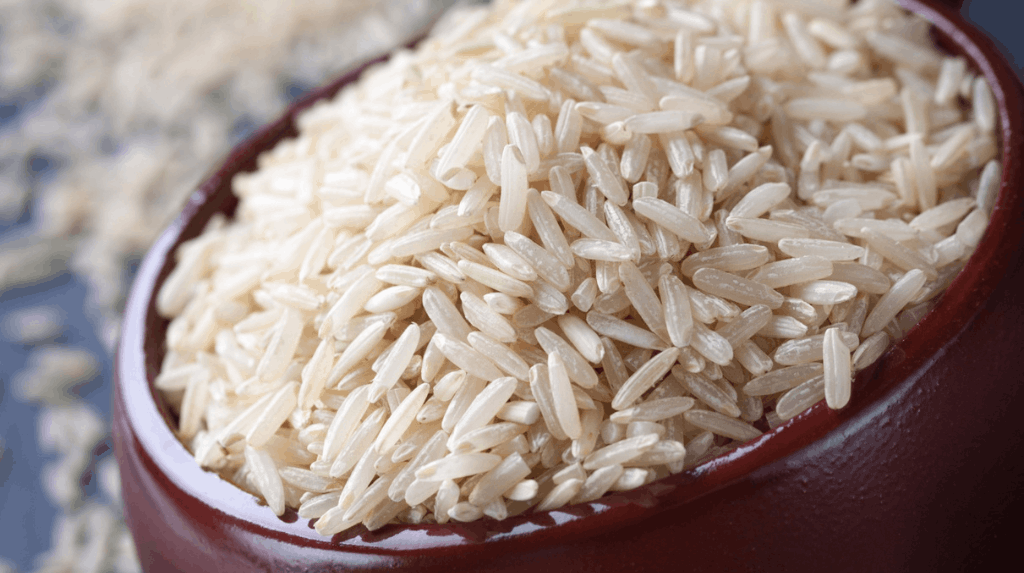
Sona Masoori (also spelled Sona Masuri) is a medium-grain, lightweight white rice variety developed in India through a cross between two older varieties: Sona (also known as Mahsuri) and Masoori. It is officially classified as BPT 5204 by the Indian Department of Agriculture and was developed by agricultural scientists in Andhra Pradesh.
It is primarily grown in the states of Andhra Pradesh, Telangana, and Karnataka in southern India, and is one of the most widely consumed rice varieties on the Indian subcontinent particularly in the south. In India alone, Sona Masoori accounts for a significant portion of annual rice production.
Key characteristics of Sona Masoori rice:
- Grain type: Medium-grain, lightweight, and slightly translucent when raw
- Texture when cooked: Soft, slightly sticky, and light rice for daily cooking it does not feel heavy in the stomach
- Aroma: Mild and subtly sweet less intense than basmati or jasmine
- Starch content: Lower in starch and amylose compared to many other rice varieties
- Calories: Slightly lower than basmati and jasmine (~345 kcal per 100g dry weight)
- Glycemic Index: Approximately 51 placing it in the low-to-medium GI range
The name ‘Sona Masoori’ comes from its two parent varieties: ‘Sona’ (also known as Mahsuri, a Malaysian variety) and ‘Masoori’ (a traditional Indian variety). The result is a rice that combines the best of both soft texture, light body, and gentle sweetness.
Sona Masoori Rice Quick Facts at a Glance
| Feature | Detail |
| Also Known As | Sona Masuri, HMT rice, BPT 5204 |
| Grain Type | Medium-grain, lightweight |
| Origin | Andhra Pradesh & Telangana, India |
| Aroma | Mild, slightly sweet |
| Texture (cooked) | Soft, slightly sticky, light |
| Glycemic Index | ~51 (low to medium) |
| Best For | Everyday meals, idli, dosa, pulao, curd rice, biryani |
| Calories (100g dry) | ~345 kcal (lower than basmati/jasmine) |
| Starch Type | Lower amylose cooks softer |
| Who Eats It | Telugu, Kannada, Tamil communities primarily |
Why Is Sona Masoori Dublin the Daily Rice of Choice for Indians?
This is the question that surprises many non-Indian home cooks. With basmati being so globally famous, why do millions of Indians especially in the south choose Sona Masoori over it day after day?
The answer comes down to five things:
1. It’s Lighter and Easier to Digest
Sona Masoori has a lower starch content and cooks up lighter than basmati or regular white rice. After a full South Indian meal rice, dal, sambar, rasam, and curries the last thing you want is a heavy feeling in your stomach. Sona Masoori is noticeably lighter on digestion, which is why it’s the preferred rice for daily consumption and why it’s commonly given to children and the elderly in Indian households.
2. It Pairs Perfectly with South Indian Cuisine
South Indian cooking sambar, rasam, kootu, gongura pachadi, fish curry, curd rice is built around Sona Masoori. The soft, slightly sticky texture means it absorbs thin, watery gravies like sambar and rasam beautifully, pulling the flavours in rather than sitting separately on the plate. Basmati, with its dry, fluffy grains, doesn’t absorb these sauces in the same way.
3. It’s the Foundation of Idli and Dosa Batter
This is perhaps Sona Masoori’s most critical role in Indian cooking outside of plain rice. Authentic idli and dosa batter is traditionally made from a blend of urad dal (black lentils) and Sona Masoori rice, soaked and ground together. The specific starch and amylose profile of Sona Masoori produces the fermentation activity and batter texture that creates perfectly soft idlis and crispy dosas. Using basmati or jasmine rice as a substitute produces noticeably inferior results.
4. It’s Genuinely Lower in Calories
At approximately 345 kcal per 100g (dry), Sona Masoori is lighter calorically than basmati (~360 kcal) and jasmine (~365 kcal). While the difference per serving is modest, for families eating rice twice a day it adds up meaningfully over time. This is one reason South Indian nutritionists have traditionally endorsed it as a healthy everyday grain.
5. It Has a Low-to-Medium Glycemic Index
With a GI of approximately 51, Sona Masoori sits comfortably below jasmine rice (~68–80) and is broadly comparable to basmati (~52–58). For the many Indians in Dublin managing blood sugar or following a health-conscious diet, Sona Masoori’s low-GI profile makes it a smart everyday choice.
In South Indian homes, Sona Masoori isn’t chosen for special occasions it IS the everyday rice. Basmati is actually reserved for biryanis and special dishes. This is the reverse of how most non-Indians think about it.
Sona Masoori vs Basmati vs Jasmine Rice Full Comparison
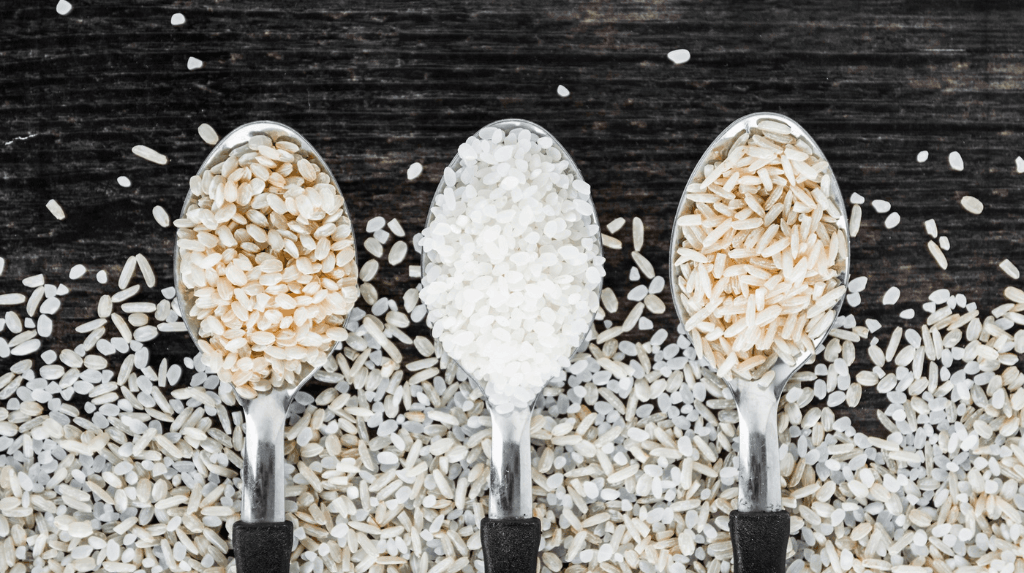
Here’s how Sona Masoori stacks up against the two rice varieties most commonly found in Irish supermarkets:
| Feature | Sona Masoori | Basmati | Jasmine |
| Grain Size | Medium, lightweight | Extra-long, slender | Medium-long |
| Texture | Soft, slightly sticky | Fluffy, separate | Soft, moist, sticky |
| Aroma | Mild, subtle | Nutty, earthy | Floral, popcorn |
| GI (approx.) | ~51 | ~52–58 | ~68–80 |
| Calories/100g | ~345 kcal | ~360 kcal | ~365 kcal |
| Best Dishes | Daily rice, idli, dosa, curd rice | Biryani, pilaf, Indian curry | Thai curry, fried rice |
| Everyday Use? | Yes ideal | Less common daily | Less common daily |
| Price (Ireland) | €13.95–€25.50 at Asian House | Widely available | Widely available |
The bottom line: Sona Masoori is the best everyday rice for South Indian cooking. Basmati is best for special dishes like biryani and pilaf. Jasmine is best for Southeast Asian cuisine. Each has its place but if you’re cooking South Indian food daily, Sona Masoori is the correct choice, not a substitute.
What Can You Cook with Sona Masoori Rice?
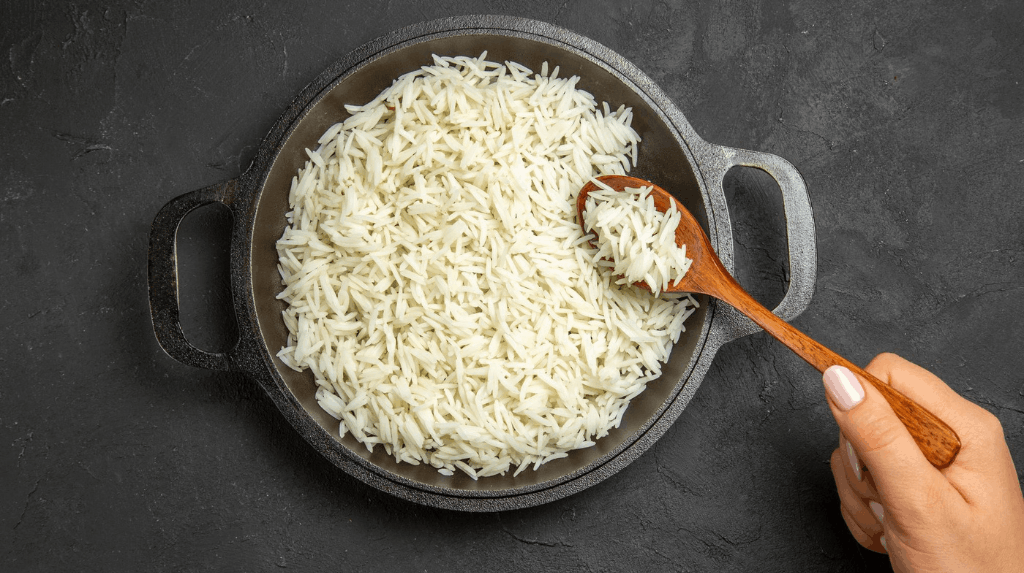
The real beauty of Sona Masoori is its versatility within South Indian and broader Indian cuisine. Here are the key dishes it excels in:
Plain Rice with Sambar and Rasam (Annam)
The most fundamental South Indian meal steamed Sona Masoori rice served with sambar (lentil and vegetable curry), rasam (tamarind pepper broth), and a variety of vegetable sides. The rice absorbs these thin, liquid-based gravies in a way no other variety quite matches. This is the meal that defines South Indian daily eating.
Curd Rice (Thayir Sadam / Perugu Annam)
Curd rice is arguably the ultimate test of Sona Masoori. Cooked rice mixed with fresh yoghurt, tempered with mustard seeds, curry leaves, dried red chillies, and grated ginger. The soft, slightly sticky texture of Sona Masoori binds with the curd perfectly. It’s cooling, comforting, and a staple of South Indian lunch boxes across Dublin and beyond.
Idli and Dosa Batter
As described above, Sona Masoori is the traditional rice base for idli-dosa batter. The correct ratio is typically 3:1 (rice to urad dal), soaked separately for 6–8 hours, then ground and fermented overnight. The result soft, pillowy idlis and paper-thin, crispy dosas is only fully achievable with Sona Masoori rice.
Lemon Rice (Nimmakaya Pulihora / Chitranna)
Cooked Sona Masoori rice tossed with lemon juice, turmeric, green chillies, mustard seeds, peanuts, and curry leaves. A beloved quick lunch across Andhra Pradesh and Karnataka. The rice absorbs the lemon-turmeric coating beautifully without becoming mushy.
Tamarind Rice (Puliyodarai / Chintapandu Pulihora)
Thick tamarind paste cooked with spices and mixed into rice a staple temple offering and packed lunch across South India. Sona Masoori holds the paste without disintegrating, giving each grain a deep, tangy coating.
Coconut Rice (Kobbari Annam / Thengai Sadam)
Rice cooked with fresh or desiccated coconut, tempered with mustard seeds, dried chillies, and curry leaves. Simple, fragrant, and deeply satisfying and perfectly suited to Sona Masoori’s mild flavour profile.
Vegetable Pulao and Light Biryanis
While purists use basmati for biryani, Sona Masoori is frequently used for lighter vegetable pulaos and budget-friendly biryanis across Andhra Pradesh. The softer texture means it absorbs spices deeply, and for home-style cooking it’s an entirely acceptable and delicious choice.
Pongal
A sacred South Indian dish made by cooking Sona Masoori rice with moong dal, black pepper, cumin, and ghee served as a temple prasad and a popular breakfast across Tamil Nadu, Andhra, and Karnataka. The soft, porridge-like texture of Sona Masoori is essential to authentic Pongal.
Nutritional Profile of Sona Masoori Rice
Here’s the approximate nutritional breakdown for 100g of dry white Sona Masoori rice:
- Calories: ~345 kcal
- Carbohydrates: ~77g
- Protein: ~6–7g
- Fat: ~0.5g
- Fibre: ~0.4g (white variety) higher in brown Sona Masoori
- Glycemic Index: ~51 (low-to-medium)
- Starch: Lower amylose content than basmati digests more gently
Sona Masoori is naturally gluten-free, making it safe for those with coeliac disease or gluten sensitivity. Its lower calorie count compared to other popular rice varieties is a genuine nutritional advantage for daily consumption.
For those watching their weight or managing blood sugar, Sona Masoori is one of the better white rice options lower calories, reasonable GI, and lighter on the stomach than most alternatives.
How to Cook Sona Masoori Rice Perfectly
Sona Masoori is forgiving and easy to cook easier than basmati in many ways, since it doesn’t require soaking and is less sensitive to water ratios. Here’s the standard method:
Stovetop Absorption Method
- Rinse the rice 2–3 times in cold water until the water runs mostly clear. This removes excess surface starch.
- Use a 1:2 ratio of rice to water (1 cup Sona Masoori to 2 cups water). This is slightly more water than basmati because Sona Masoori is a thirstier grain.
- Bring to a full boil, then immediately reduce to the lowest heat setting. Cover with a tight-fitting lid.
- Cook for 12–15 minutes without lifting the lid.
- Remove from heat and leave covered for 5–10 minutes to finish steaming.
- Fluff gently with a fork or large spoon. The rice should be soft, slightly sticky, and fully cooked through.
Rice cooker method: Sona Masoori cooks beautifully in a rice cooker. Use the standard 1:2 ratio (rice to water), press cook, and it’s done. This is how most South Indian families cook it daily.
For Idli-Dosa Batter
- Soak 3 cups Sona Masoori rice and 1 cup urad dal separately for 6–8 hours (or overnight).
- Drain and grind separately to a smooth batter, adding water gradually. Combine and mix well.
- Add 1 tsp salt and leave to ferment at room temperature for 8–12 hours (in Irish winter conditions, a warm spot near a radiator works well).
- After fermentation, the batter should have doubled in volume and smell slightly sour. It is now ready for idlis and dosas.
Where to Buy Sona Masoori Rice in Dublin Asian House
Finding quality Sona Masoori rice in mainstream Irish supermarkets is difficult it is not widely stocked in Tesco, Dunnes, or SuperValu. Asian House is one of the few places in Dublin where you can buy genuine Sona Masoori rice in multiple brands and bag sizes, at competitive prices.
Our Sona Masoori Rice Range
We currently stock the following Sona Masoori rice products:
| Product | Size | Price |
| Fryday Sona Masoori Rice | 5 kg | €13.95 |
| IG Sona Masoori Rice | 10 kg | €25.00 |
| Ashvill Sona Masoori Rice | 5 kg | €15.95 |
| Ashvill Sona Masoori Rice | 10 kg | €25.50 |
All products are available in-store and online at asianhouse.ie, with delivery across Dublin and Ireland.
Store Details
Asian House Main Store
- Address: 71 Belmayne Ave, Belmayne, Dublin 13, D13 W7PR
- Phone: (01) 829 6460
- Mobile: (089) 9660503
- Landline: (01) 4459793
- Email: asianhouse.ie@gmail.com
- Website: asianhouse.ie
Click & Collect Location:
- 149 Phibsborough Rd, Dublin 7, D07X033
- Collection hours: 2pm – 9pm
Delivery Information:
- All deliveries are done between 2pm and 10pm
- Orders placed after 12pm will be delivered the next working day
- Sunday deliveries are optional only
- Not operational on Bank Holidays or 1st January
- Free delivery available see delivery policy on asianhouse.ie for full conditions
- Note: Orders consisting only of rice/atta of 20kg or more, or combinations making 15kg or more, are not eligible for free delivery unless at least 50% of the invoice consists of other grocery items
Tips for Buying Sona Masoori Rice in Dublin
Buy in Bulk It’s Worth It
If your household eats South Indian food regularly, buying Sona Masoori in 10kg bags is significantly more economical than buying smaller quantities repeatedly. The IG Sona Masoori 10kg at €25.00 works out at €2.50/kg very competitive for a quality rice variety.
Check the Harvest Date Where Possible
Unlike basmati (where ageing improves quality), Sona Masoori is best when relatively fresh within 12–18 months of harvest. Fresh Sona Masoori has better aroma and cooks more consistently. Reputable brands like those stocked at Asian House maintain good freshness standards.
Different Brands Have Slightly Different Textures
Fryday and Ashvill Sona Masoori may have slightly different cooking properties due to milling differences. If you’re new to this rice, try a 5kg bag first before committing to 10kg. Most South Indian families will have a preferred brand they stick to for consistency.
Store It Correctly
Keep your Sona Masoori rice in an airtight container away from moisture and heat. In Ireland’s damp climate, this is especially important. A large airtight rice bin or well-sealed container in a cool cupboard will keep it fresh for 12+ months.
Sona Masoori and Dublin’s Indian Community
Dublin’s Indian population has grown significantly over the past decade, with substantial communities in areas including Blanchardstown, Lucan, Clonsilla, Swords, Tallaght, and the city centre. The demand for authentic South Indian groceries particularly rice varieties like Sona Masoori, Matta rice, and Idli rice has grown in step with this population growth.
For Telugu, Kannada, and Tamil families in Dublin, finding good quality Sona Masoori is not a convenience it is a necessity for maintaining the food culture they grew up with. Curd rice made with basmati is not curd rice. Sambar rice with jasmine is not the same. The rice variety is not interchangeable when the food itself is built around it.
Asian House at 71 Belmayne Ave, Dublin 13 was established specifically to serve the needs of Dublin’s Indian and South Asian community stocking the brands, products, and varieties that simply aren’t available in mainstream Irish supermarkets. Sona Masoori rice is one of our most consistently restocked products because demand for it is constant and growing.
Frequently Asked Questions
What is Sona Masoori rice?
Sona Masoori (also Sona Masuri or BPT 5204) is a medium-grain, lightweight white rice variety developed in Andhra Pradesh, India. It is the most commonly consumed daily rice in South Indian households, known for its soft texture, mild aroma, low calorie count, and suitability for a wide range of South Indian dishes including plain rice, idli-dosa batter, curd rice, and pulao.
Is Sona Masoori rice the same as basmati?
No. Sona Masoori and basmati are very different rice varieties. Basmati is an extra-long grain, dry, fluffy, and nutty-flavoured best for biryani and pilaf. Sona Masoori is a medium grain, softer, slightly sticky, and mild in flavour best for everyday South Indian meals. In South Indian homes, basmati is actually reserved for special occasions while Sona Masoori is the everyday rice.
Is Sona Masoori rice healthy?
Yes, Sona Masoori is one of the healthier white rice options. It has approximately 345 kcal per 100g (dry) lower than basmati and jasmine. Its glycemic index is approximately 51, placing it in the low-to-medium range. It is naturally gluten-free, lighter on digestion than many rice varieties, and a good source of energy for active lifestyles.
Can I use Sona Masoori rice for idli and dosa?
Yes Sona Masoori is the traditional and recommended rice for idli-dosa batter. Its specific starch and amylose profile produces the fermentation activity and batter texture needed for authentic idlis and dosas. Basmati or jasmine rice can be used as substitutes in a pinch, but the results will be noticeably different.
Where can I buy Sona Masoori rice in Dublin?
Asian House stocks multiple Sona Masoori brands and sizes in Dublin. Visit us in-store at 71 Belmayne Ave, Belmayne, Dublin 13, D13 W7PR, or click and collect from 149 Phibsborough Rd, D07X033. You can also order online at asianhouse.ie for home delivery across Ireland. Call (01) 829 6460 or email asianhouse.ie@gmail.com for availability queries.
How much does Sona Masoori rice cost at Asian House?
Our current Sona Masoori range starts at €13.95 for a 5kg bag (Fryday brand) and goes up to €25.50 for a 10kg bag (Ashvill brand). We also stock IG Sona Masoori 10kg at €25.00. Prices are competitive and bulk sizes offer excellent value for regular buyers.
What is the difference between Sona Masoori and HMT rice?
‘HMT rice’ is an informal name that some people use for Sona Masoori in certain regions of India, referring to its fine, even grain appearance. It is the same rice Sona Masoori (BPT 5204) just referred to by a different colloquial name. If someone asks for HMT rice in an Indian grocery store, Sona Masoori is what they want.
Shop Sona Masoori Rice at Asian House in-store or online at asianhouse.ie