
Best Tips for How to Cook Basmati Rice without it Getting Sticky
✅ Quick Answer: Rinse your basmati rice until the water runs clear, use a 1:1.5 rice-to-water ratio, and let it steam with the lid on after cooking. These three steps alone will eliminate sticky, mushy rice every single time.
There’s nothing more frustrating than lifting the lid off your pot and finding a clumped, sticky mass instead of the long, fluffy grains you were hoping for. If you’ve ever wondered why your basmati rice turns out sticky or how restaurants always seem to nail it, you’re in the right place.
At Asian House, we’ve tested dozens of methods, ratios, and techniques across our premium range of basmati rice. In this guide, we’ll walk you through exactly what causes sticky basmati rice, tips for How to Cook Basmati Rice, and best basmati rice recipe Ireland with techniques you can use tonight.
Why Does Basmati Rice Get Sticky?
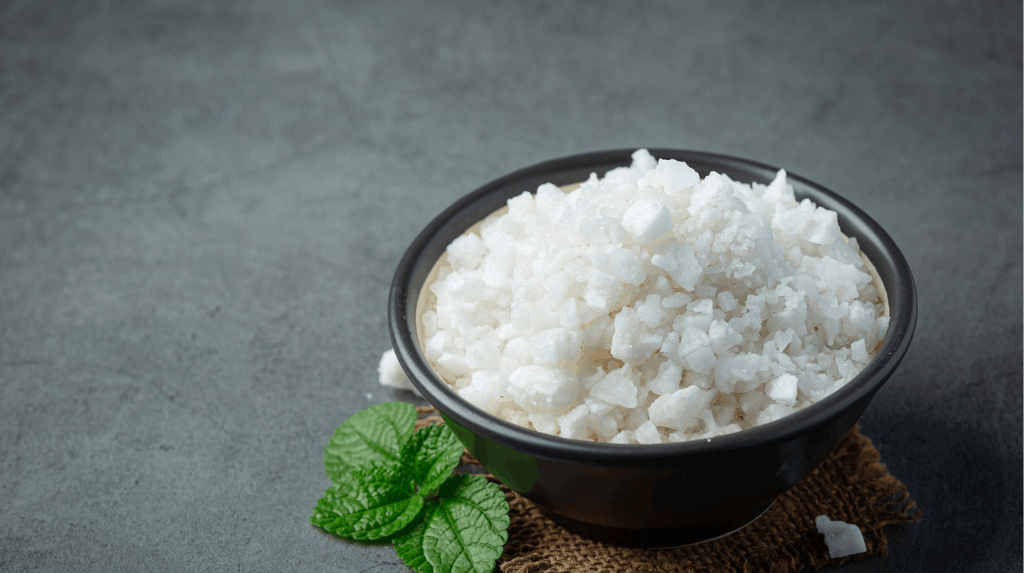
Before we solve the problem, it helps to understand it. Basmati rice becomes sticky for one primary reason: excess surface starch. When dry rice grains sit in storage, starch coats their outer surface. During cooking, that starch dissolves into the water and acts like glue — binding grains together into a sticky clump.
Other common culprits include:
- Too much water — over-hydration breaks down the grain structure
- Cooking on too high a heat — causes rapid boiling that tears grains apart
- Stirring during cooking — releases internal starch into the pot
- Skipping the resting stage — steam redistribution is essential for texture
- Low-quality or old rice — aged basmati has lower surface starch and cooks better
Step 1: Always Rinse Your Basmati Rice
This is the single most impactful step you can take. Rinsing removes the loose surface starch that causes grains to clump. Place your basmati rice in a fine-mesh sieve or bowl and rinse it under cold running water, gently swirling with your fingers.
How long should you rinse basmati rice? Rinse until the water running off the rice is mostly clear — typically 3 to 5 rinses. The water will never be completely clear (that’s fine), but you’re looking for it to go from milky-white to a very pale, faintly cloudy stream.
💡 Pro Tip: For the absolute best results with premium aged basmati (like the brands we stock at AsianHouse.ie), soak the rinsed rice in cold water for 20–30 minutes before cooking. This lets grains absorb moisture slowly and evenly — leading to dramatically longer, fluffier grains that stay separate.
Step 2: Get the Water Ratio Right (The Most Googled Question)
The classic advice of “2 cups water to 1 cup rice” is actually wrong for basmati. Basmati is a long-grain rice with low starch content — it absorbs water differently from short-grain varieties like jasmine or sushi rice.
The correct basmati rice to water ratio is:
1 cup basmati rice : 1.5 cups cold water
(If you soaked the rice for 20+ minutes, reduce to 1:1.25)
Using too much water is the number one cause of mushy, sticky basmati rice. The grains over-absorb and collapse into each other. Stick to 1:1.5 and you’ll have perfectly cooked grains every time.
Step 3: The Perfect Cooking Method — Absorption Technique
The absorption method is the gold standard for cooking basmati rice on the stovetop. Unlike the pasta method (boiling in a large pot of water and draining), absorption cooking lets the rice soak up exactly the right amount of liquid — producing separate, fluffy grains.
How to cook basmati rice using the absorption method:
- Rinse your basmati rice until the water runs mostly clear (3–5 rinses)
- Optional: Soak for 20–30 minutes in cold water, then drain
- Add rice and cold water to a heavy-bottomed saucepan (1:1.5 ratio)
- Bring to a full boil over medium-high heat — do not stir
- Once boiling, reduce heat to the lowest possible setting and cover tightly
- Cook for exactly 10–12 minutes — resist the urge to lift the lid
- Remove from heat and let steam with the lid ON for 5 more minutes
- Fluff gently with a fork (never a spoon) and serve immediately
Step 4: The Resting Stage (Most People Skip This)
The 5-minute rest off the heat is not optional — it’s critical. During this time, residual steam continues to cook the top layer of rice gently and evenly. Grains firm up slightly, making them easier to separate with a fork. If you skip this step and serve immediately, you’ll find the rice at the bottom is drier while grains at the top are still slightly wet and sticky.
One extra trick: Place a clean tea towel or paper towel under the lid before the resting stage. This absorbs any excess steam that would otherwise condense and drip back onto the rice — one of the secret techniques used in professional kitchens.
How to Cook Perfect Basmati Rice in a Rice Cooker
A rice cooker is one of the most reliable ways to get fluffy basmati rice without watching the pot. The key differences from stovetop cooking are:
- Still rinse the rice — the same rules apply regardless of cooking method
- Use a slightly lower water ratio: 1 cup rice to 1.25 cups water in most rice cookers
- Do not use the ‘white rice’ setting — use ‘quick cook’ or the basic setting to avoid over-steaming
- After the cycle finishes, leave the lid closed for 5–10 minutes before fluffing
- Many rice cookers have a basmati-specific setting — use it if available
5 Common Basmati Rice Mistakes to Avoid
1. Skipping the rinse
We can’t stress this enough. The 60 seconds it takes to rinse your rice will transform the final result. Surface starch is the enemy of fluffy basmati.
2. Using too much water
The 2:1 water-to-rice ratio is a myth for basmati. Use 1.5 cups of water per cup of rice. If you’ve soaked the rice, use even less — about 1.25 cups.
3. Lifting the lid during cooking
Every time you lift the lid, steam escapes — disrupting the temperature equilibrium and leaving you with unevenly cooked rice. Trust the process and keep the lid on.
4. Stirring while cooking
Stirring rice while it cooks breaks the starch granules inside the grain, releasing the internal starch into the pot — instant stickiness. Add your ingredients before turning on the heat, then leave it alone.
5. Using the wrong type of rice
Not all basmati is created equal. Aged basmati rice (2-year or premium brands) has lower moisture content and surface starch — which means it naturally cooks up fluffier and more separate. Look for “aged basmati” on the packaging for the best results.
How to Add Flavour Without Making Rice Sticky
Many home cooks worry that adding ingredients like ghee, spices, or stock will make rice sticky. Done correctly, these additions actually enhance both flavour and texture. Here’s how to do it:
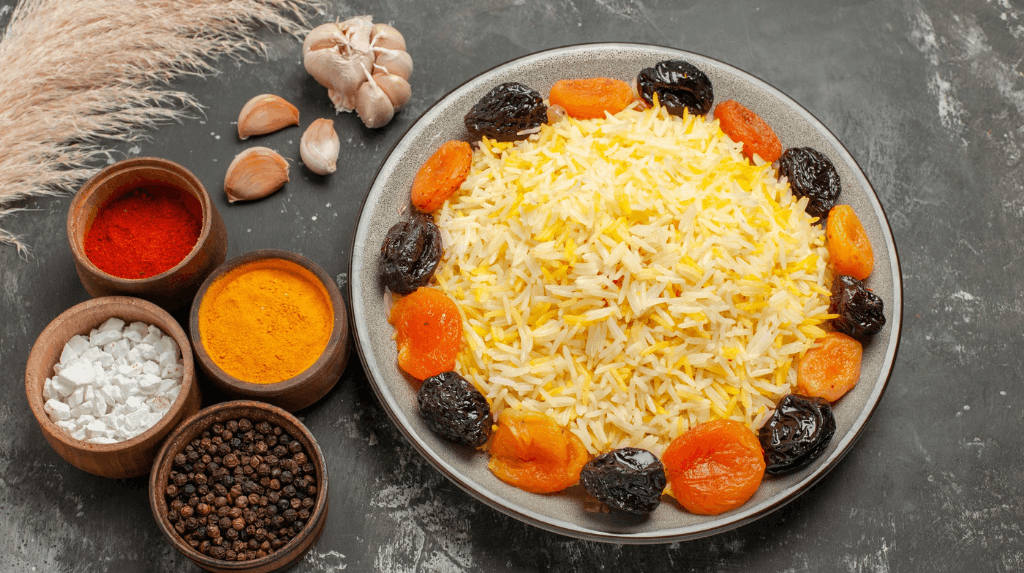
- Ghee or oil: Add 1 tsp of ghee or neutral oil to the water before cooking. The fat coats the grains and helps keep them separate — this is the trick used in restaurant-quality pilau.
- Whole spices: Add a cardamom pod, a small cinnamon stick, or a clove to the water. These infuse flavour without adding starch or liquid that would affect texture.
- Salt: Always salt your cooking water — use about ¼ tsp per cup of dry rice. Salt seasons the grain from the inside and slightly firms the outer layer, helping grains stay separate.
- Stock instead of water: Use 1.5 cups of light vegetable or chicken stock instead of water. Avoid using thick or starchy stocks as these can add to stickiness.
- Saffron: Dissolve a small pinch of saffron in 2 tbsp of warm water and add it to the pot. A zero-stickiness flavour upgrade that also adds a beautiful colour.
Frequently Asked Questions
Why is my basmati rice always sticky no matter what I do?
The most likely culprit is skipping the rinse or using too much water. Try rinsing your rice 4–5 times and reducing your water to 1.5 cups per cup of rice. If the problem persists, try soaking the rice for 30 minutes before cooking.
Should I rinse basmati rice before cooking?
Yes, absolutely. Rinsing is the most important step for non-sticky basmati. It removes surface starch that causes clumping. The only exception is if you’re making a rice pudding or kheer where stickiness is desirable.
How do I stop basmati rice from sticking to the bottom of the pan?
Add a teaspoon of ghee or oil to the pot before cooking. Use a heavy-bottomed saucepan that distributes heat evenly. And make sure your heat is on the lowest setting once you’ve added the lid — high heat scorches the bottom layer before the top is cooked.
Can I cook basmati rice without soaking it?
Yes. Soaking is optional but recommended for premium-grade basmati. Without soaking, use the standard 1:1.5 water ratio and allow a slightly longer resting time after cooking (8 minutes instead of 5).
What is the best basmati rice brand in Ireland?
At AsianHouse.ie, we stock a carefully selected range of premium aged basmati rice from trusted brands, available for delivery across Ireland. Aged basmati — typically labelled ‘2-year aged’ — performs significantly better in cooking than fresh-harvest rice.
The Bottom Line
Cooking perfect basmati rice isn’t complicated — it just requires understanding what causes it to go wrong. To recap:
- Rinse 3–5 times until the water is mostly clear
- Use 1.5 cups of water per cup of rice (1.25 cups if soaked)
- Bring to a boil, then cook covered on the lowest heat for 10–12 minutes
- Rest for 5 minutes off the heat before fluffing with a fork
- Add a teaspoon of ghee for extra separation and flavour
Master these steps and you’ll never serve sticky, clumped basmati again. Whether you’re making a simple weeknight dinner or a show-stopping biryani, it all starts with perfectly cooked rice.
Ready to cook with the best? Browse our full range of premium aged basmati rice, ghee, and authentic spices at AsianHouse.ie — delivered fresh across Ireland.