What Is Matta Rice and Why Do South Indians in Dublin Love It?
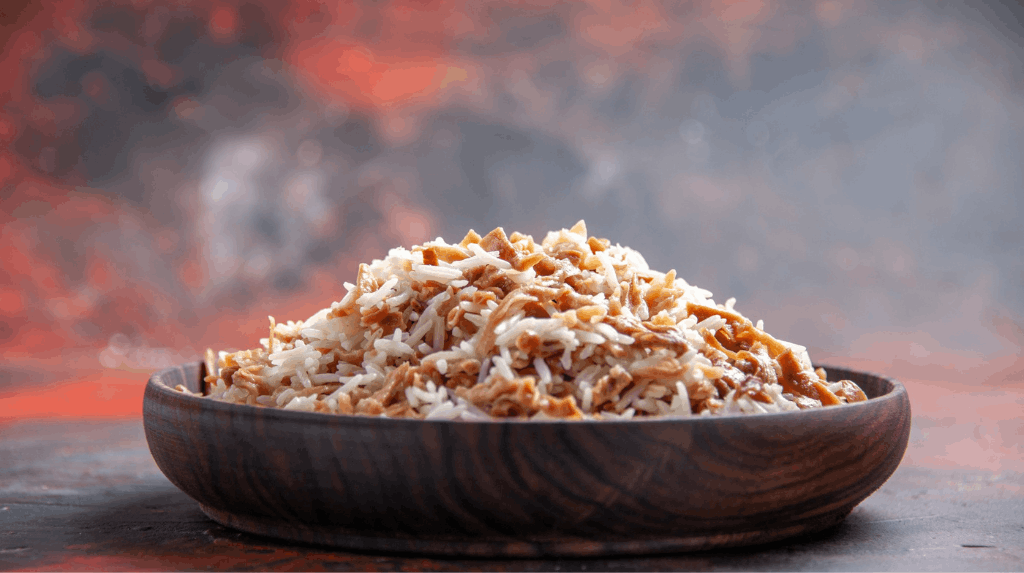
If you walk into Asian House and head straight for the rice section, you will notice something different about Matta Rice immediately. It does not look like ordinary white rice. The grains are short and plump, the colour is a deep reddish brown, and even before you cook it there is something earthy and wholesome about it that sets it apart entirely.
For the South Indian community in Dublin, particularly families from Kerala, Matta Rice is not just a grocery item. It is a connection to home. It is the rice that filled their plates growing up, the grain that soaked up fish curry perfectly, the staple their mothers and grandmothers cooked every single day. And now, with over 45,000 people of Indian origin living in Ireland, many of them from Kerala and the south, the demand for authentic Matta Rice in Dublin has never been higher.
At Asian House we stock five different Matta Rice brands across a range of bag sizes because we know just how important this rice is to our customers. In this guide we are going to explain exactly what Matta Rice is, why it is so special, the science behind its health benefits, how to cook it properly, and where you can buy it in Dublin today.
What Exactly Is Matta Rice?
Matta Rice in Ireland is an indigenous variety of parboiled red rice grown primarily in the Palakkad district of Kerala in South India. It is also cultivated in the Udupi and Dakshina Kannada districts of Karnataka and in the Jaffna district of Northern Sri Lanka. You may also see it referred to by several other names:
- Kerala Red Rice
- Rosematta Rice
- Palakkadan Matta Rice
- Rose Matta
- Red Parboiled Rice
- Kuthari or Chembavu Ari in Malayalam
- Kaje Rice in Karnataka
All of these names refer to the same grain. What makes it stand out from all other rice varieties is its unique combination of origin, soil, processing method and nutritional profile.
Where Does the Red Colour Come From?
The reddish brown colour of Matta Rice comes from the bran layer that remains partially intact after milling. Unlike white rice which is polished until the outer layers are completely removed, Matta Rice retains a significant portion of its bran. This is where most of the nutrients, fibre and minerals are stored. The colour is entirely natural and is one of the first things you should look for when checking the quality of Matta Rice.
A word of caution worth mentioning: there is artificially coloured rice in some markets that is designed to mimic the appearance of genuine Matta Rice. Always buy from a trusted source. At Asian House we stock only verified, authentic brands that South Indian families in Dublin have relied on for years.
The Role of Palakkad Soil
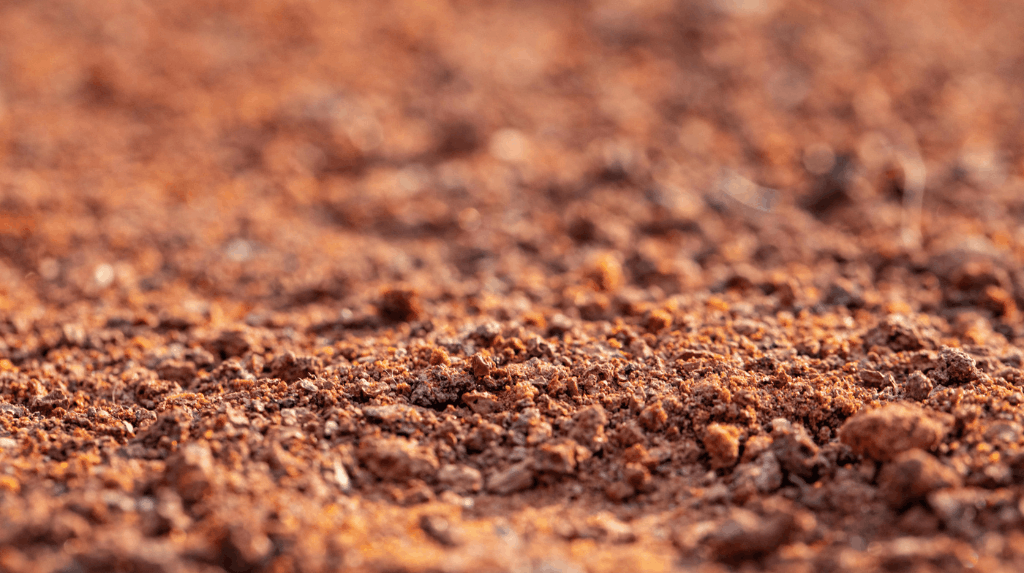
Genuine Palakkadan Matta Rice is grown in very specific black cotton soil known as regar soil, found in the Palakkad gap region of Kerala. This soil is dense, high in clay and silt content, with up to 80 percent clay in some fields. It has exceptional water retention capacity and is rich in minerals including lime, calcium and iron. The combination of this unique soil with the humid climate of Palakkad and the easterly winds that blow through the Palakkad gap creates conditions that cannot be replicated anywhere else in the world. This is why Palakkadan Matta Rice has been awarded a Geographical Indication tag, a protected status that confirms its unique origin.
What Does Matta Rice Taste and Feel Like?
This is where Matta Rice becomes very interesting. If you have only ever eaten Basmati or white rice, the first time you eat Matta Rice it will be a completely different experience.
The grains are short and stout rather than long and slender. When cooked they become soft on the outside but retain a firm, satisfying chew in the centre. The texture has been described as somewhere between rice and pasta, with a heartiness that white rice simply does not have. The grains plump up considerably during cooking and absorb curry, sauce and gravy in a way that makes every mouthful deeply flavourful.
The taste itself is earthy and nutty with a subtle richness that comes from the retained bran. There is no strong fragrance the way Basmati has, but the flavour is complex and pairs extraordinarily well with bold, spicy, coconut based South Indian dishes. Once you have eaten Matta Rice with a proper Kerala fish curry, you will understand why this rice has been the daily staple of Keralite families for centuries.
Why Is Matta Rice So Popular With South Indians in Dublin?
The South Indian and particularly Keralite community in Dublin is one of the fastest growing and most tightly knit communities in Ireland. Census 2022 recorded 44,998 people of Asian or Asian Irish background in Dublin alone, with the Indian community making up a significant portion. Many are nurses, doctors, engineers and IT professionals who moved to Ireland for better opportunities. And for almost all of them, food is one of the most powerful connections they maintain with home.
Matta Rice sits at the heart of Keralite food culture. Here is why Dublin’s South Indian community is so loyal to it:
1. It Is What They Grew Up Eating
For most Keralite families, Matta Rice is not a health food trend or a premium product. It is simply the rice they ate every day growing up. Rice and fish curry, rice and sambar, rice and avial. These are meals that carry deep emotional meaning, and Matta Rice is inseparable from them.
2. Nothing Else Pairs With Kerala Cuisine the Same Way
Keralite cooking is built around bold, coconut heavy, tamarind sour, fish and spice forward flavours. The firm texture and earthy depth of Matta Rice stands up to these strong flavours in a way that white rice cannot. When you pour a thick fish curry or a tangy rasam over Matta Rice, the grains absorb the sauce without dissolving. Each bite is a complete mouthful of flavour.
3. They Trust It for Their Health
The South Indian community is highly aware of the health credentials of Matta Rice. It is high in fibre, low glycemic index, rich in magnesium, iron and calcium. For families managing diabetes or watching their weight, Matta Rice is frequently chosen as the healthier daily option over white rice.
4. It Connects Them to Their Culture
From Onam Sadhya to everyday dinners, Matta Rice is embedded in Keralite cultural identity. Being able to prepare authentic Kerala food in Dublin, using the same rice they would find back home, is deeply important to the community. It is one of the ways they keep their culture alive while living thousands of miles away.
The Health Benefits of Matta Rice
Matta Rice has attracted serious attention from nutritionists and health professionals in recent years. The science behind its reputation as a healthy rice is well founded. Here is a comparison of its nutritional profile against regular white rice:
| Nutrient | Matta Rice (per 100g cooked) | White Rice (per 100g cooked) |
| Calories | 130 kcal | 130 kcal |
| Dietary Fibre | 2.8g | 0.4g |
| Magnesium | 44mg | 12mg |
| Iron | 1.8mg | 0.8mg |
| Calcium | 10mg | 3mg |
| Vitamin B6 | 0.15mg | 0.09mg |
| Glycemic Index | Low (around 55) | High (around 72) |
| Protein | 2.7g | 2.7g |
Approximate values. Matta Rice nutrition varies slightly by brand and processing method.
High Fibre Content
Matta Rice contains significantly more dietary fibre than white rice due to its retained bran layer. Fibre supports healthy digestion, keeps you feeling full for longer, helps regulate blood sugar, and reduces cholesterol levels. This is one of the primary reasons it is recommended as a daily rice over white polished varieties.
Low Glycemic Index
The glycemic index of Matta Rice is considerably lower than white rice. This means it releases sugar into the bloodstream more gradually, avoiding sharp spikes and crashes in blood sugar. This makes it an excellent choice for people managing diabetes or insulin resistance, and for anyone looking to maintain steady energy throughout the day.
Rich in Magnesium and Iron
Magnesium supports bone health, muscle function and cardiovascular health. Iron is essential for healthy blood, oxygen transport and preventing anaemia. Matta Rice provides notably higher levels of both minerals compared to white rice, making it particularly valuable for families looking to increase their mineral intake naturally through food.
The Parboiling Advantage
The parboiling process that Matta Rice undergoes before milling is a key reason for its superior nutrition. When the paddy is partially boiled in the husk before processing, the vitamins and minerals from the outer layers are driven deeper into the grain itself. This means that even after milling, a significant portion of the nutritional value remains locked inside the grain rather than being discarded with the husk.
What Dishes Is Matta Rice Used For?
Matta Rice is far more versatile than many people realise. Beyond being the go-to daily rice for Keralite families, it forms the base of a wide range of traditional dishes:
Daily Meals
- Rice with fish curry (the classic Kerala combination)
- Rice with sambar and a vegetable side
- Rice with rasam and pappadam
- Curd rice using Matta for a heartier texture
- Rice with avial and coconut chutney
Traditional Kerala Dishes
- Kanji (rice porridge): the ultimate comfort food, especially when unwell
- Puttu: steamed rice flour layered with coconut, eaten for breakfast
- Appam: fermented rice pancakes with a soft centre
- Idiyappam: string hoppers, popular across South India and Sri Lanka
- Murukku: the crunchy spiral snack made from Matta rice flour
Festive and Special Dishes
- Onam Sadhya: the grand banana leaf feast of Kerala prepared during Onam
- Paal Payasam: a creamy rice pudding made for festivals and temple offerings
- Kerala biryani: the Malabar style biryani uses short grain rice for distinct texture
How to Cook Matta Rice Perfectly
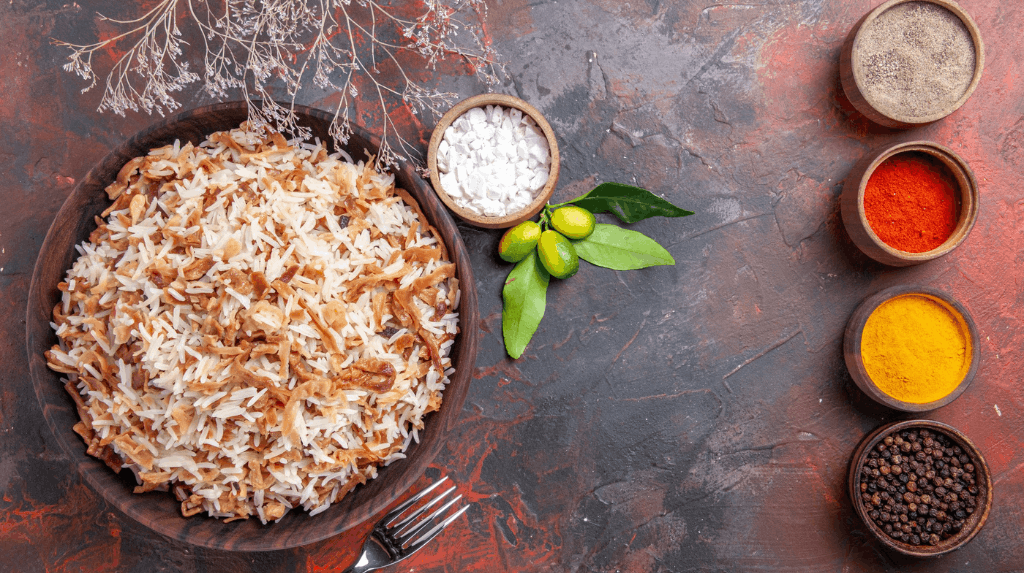
Matta Rice has a reputation for being slightly more involved to cook than white rice, but the process is straightforward once you know what you are doing. The key is soaking, enough water and enough time.
Stovetop Method
- Wash the Matta Rice thoroughly 4 to 5 times until the water runs clear.
- Soak the rice in cold water for a minimum of 30 minutes. For best results soak for 1 hour.
- Drain and add to a large pot. For 1 cup of rice add 4 to 5 cups of water.
- Bring to a full rolling boil on high heat.
- Reduce heat to medium and cook uncovered for 25 to 30 minutes, stirring occasionally.
- Test a grain. It should be fully cooked but still have a slight chew.
- Drain excess water using a colander.
- Cover and rest for 10 minutes before serving.
Pressure Cooker Method
- Wash and soak as above for at least 30 minutes.
- Add to pressure cooker with 2.5 to 3 cups of water per cup of rice.
- Cook on high heat for 3 whistles then reduce to low for a further 3 whistles.
- Allow pressure to release naturally. Do not force release.
- Drain any excess water and fluff before serving.
Instant Pot Method
- Wash thoroughly and soak for 10 minutes minimum.
- Add rice and 2 cups of water per cup of rice to the Instant Pot.
- Set to pressure cook on high for 10 minutes.
- Natural release for 10 minutes then open valve for remaining pressure.
- Drain if needed and rinse lightly to remove excess starch. Serve.
Pro tip: Matta Rice is traditionally cooked with more water than needed and then drained, similar to how you cook pasta. This method removes excess starch and gives you a cleaner, less sticky result. Do not be afraid to use generous amounts of water.
Matta Rice Ireland Brands Available at Asian House Dublin
Asian House stocks the widest selection of Matta Rice Ireland brands available anywhere in Dublin. Here is a full breakdown of what you will find on our shelves and online:
| Brand | Available Sizes | Best For |
| Pavizham Matta Rice | 5kg, 20kg | Daily family cooking |
| Mayil Matta Rice | 5kg, 10kg | Everyday meals, great value |
| Double Horse Matta Rice | 10kg | Trusted Kerala brand, consistent quality |
| Kera Matta Rice | 10kg | Bulk buying for large families |
| Indian Chef Matta Rice | 5kg | Premium quality, ideal for special dishes |
All of these brands are available for delivery across Dublin and throughout Ireland through asianhouse.ie. We also stock both 5kg and 10kg and 20kg bags because we know Keralite families buy Matta Rice in volume.
Matta Rice vs Brown Rice: Are They the Same Thing?
This is one of the most common questions we hear at Asian House. The short answer is no, they are not the same.
Brown rice is any rice that has had its husk removed but retains its bran and germ layers. It can come from any variety of rice grown anywhere in the world. It has a mild, slightly nutty flavour and cooks to a chewy texture.
Matta Rice is a specific indigenous variety from Kerala that happens to be parboiled and partially retains its bran. Its flavour is distinctly earthier and more complex than brown rice. The texture after cooking is firmer and the grains are bolder. The parboiling process Matta undergoes is not the same as simply leaving the bran intact. And critically, Matta has higher iron and calcium content than most commercially available brown rice varieties.
Think of it this way: all Palakkadan Matta Rice is a form of red parboiled rice, but brown rice and Matta Rice are entirely different grains from different origins with different tastes.
Frequently Asked Questions About Matta Rice in Ireland
Is Matta Rice available in Dublin?
Yes. Asian House stocks five brands of Matta Rice across multiple bag sizes, available both in store at Phibsborough Road, Dublin 7 and Belmayne, Dublin 13, and online at asianhouse.ie with delivery across Ireland.
Can I use Matta Rice for idli and dosa?
Yes. Matta Rice flour and parboiled Matta Rice are used in the batters for idli, dosa, appam and puttu. If you are making idli batter, you will typically blend soaked Matta Rice with urad dal for the best texture and fermentation.
Is Matta Rice good for diabetics?
Matta Rice has a low glycemic index which means it releases sugar into the bloodstream more slowly than white rice. Combined with its high fibre content, it is generally considered a better choice for people managing blood sugar levels. However, always consult your doctor or dietitian for personalised dietary advice.
How long does Matta Rice last once opened?
Stored correctly in an airtight container in a cool, dry place away from moisture and direct sunlight, Matta Rice will last 12 to 18 months. Being a parboiled rice it has a slightly shorter shelf life than white rice, so buying in bag sizes that suit your usage frequency is recommended.
Why does Matta Rice take longer to cook than other rice?
The firm, dense grain structure of Matta Rice and its retained bran layer require more time and water to cook through fully. The parboiling process hardens the grains slightly compared to white rice. This is normal and expected. The extra cooking time is absolutely worth it for the flavour and nutrition you get in return.
What is the difference between Matta Rice and Rosematta Rice?
They are the same rice. Rosematta is simply another common name for Palakkadan Matta Rice, used interchangeably across Kerala, Karnataka and Sri Lanka. All the brands stocked at Asian House fall into this same category.
| Shop Matta Rice at Asian House Dublin 5 trusted brands available online and in store. Delivery across Dublin and Ireland. asianhouse.ie/product-category/matta-rice-2/ |
71 Belmayne Ave, Belmayne, Dublin 13, D13 W7PR | asianhouse.ie